6
Seen
54 900 €
4 223 €/a
13 a (0.13 ha)
Plikiai
Turtas Vilniuje, MB
City, district, street
City, district, street
Land for sale throughout Lithuania: residential, agricultural, forestry, garden association and commercial plots. Use the “Purpose” filter to choose the land type, set the area and price per are, and use the map to see the plot's location and access.
Plikiai
Vėlybniškės
Normantai
Panevėžys, Pilėnai
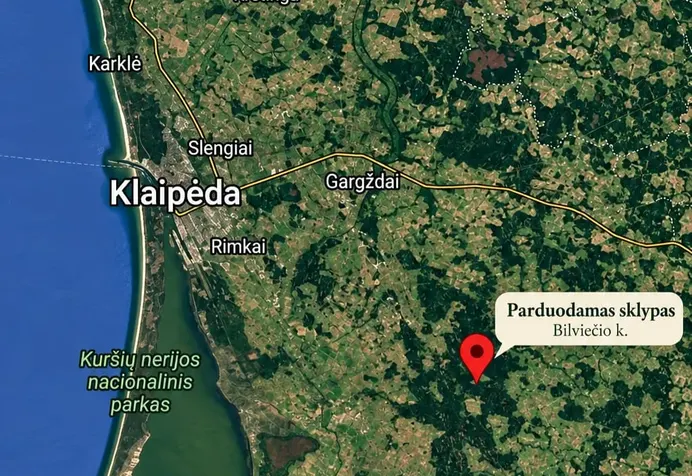
Bilvietis
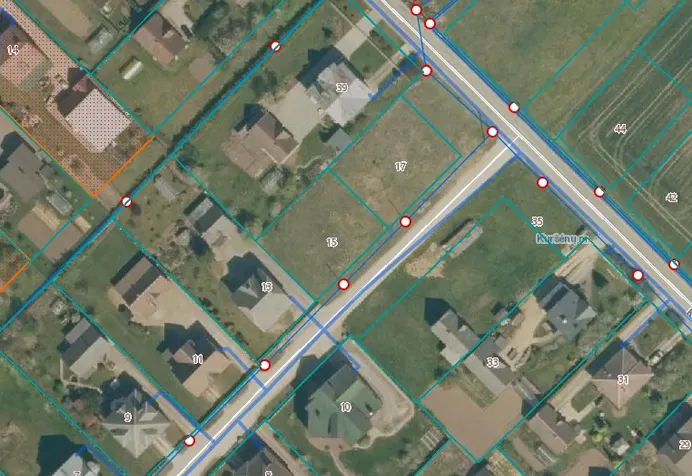
Kuršėnai
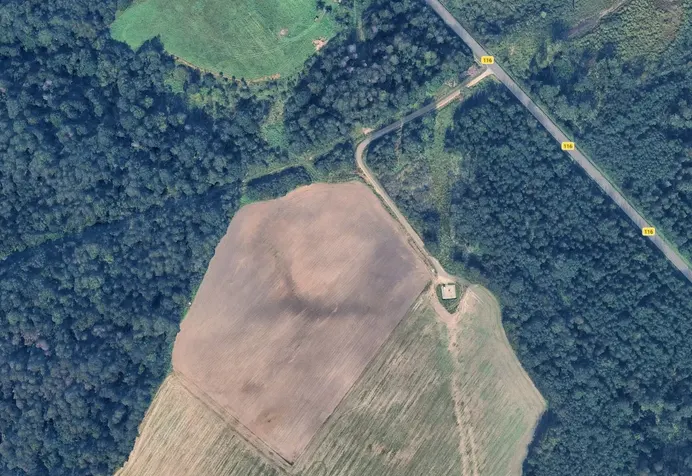
Padvariai
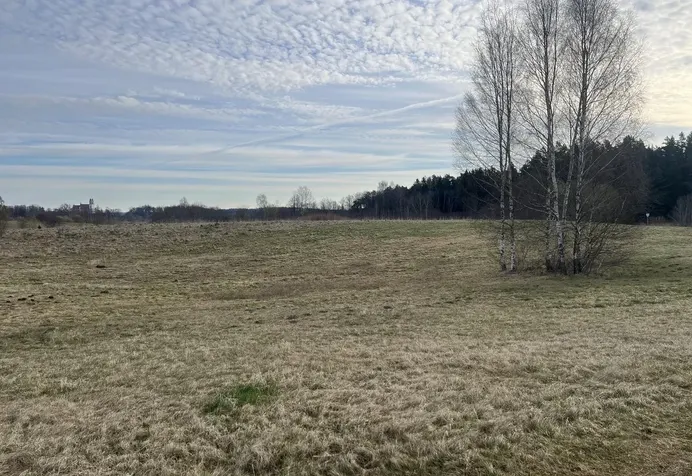
Kurtuvėnai
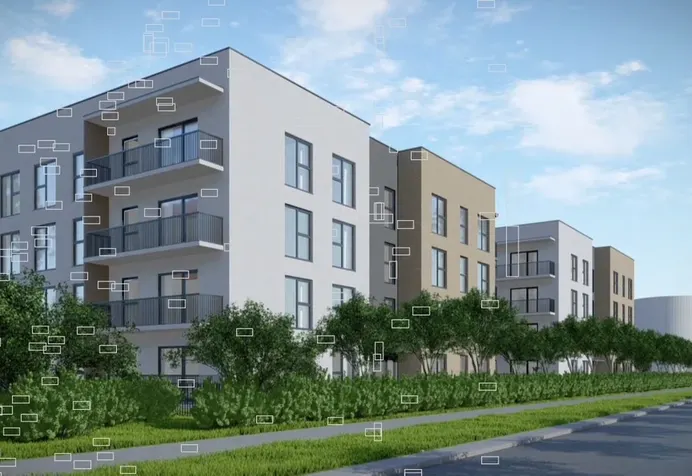
Didieji Gulbinai
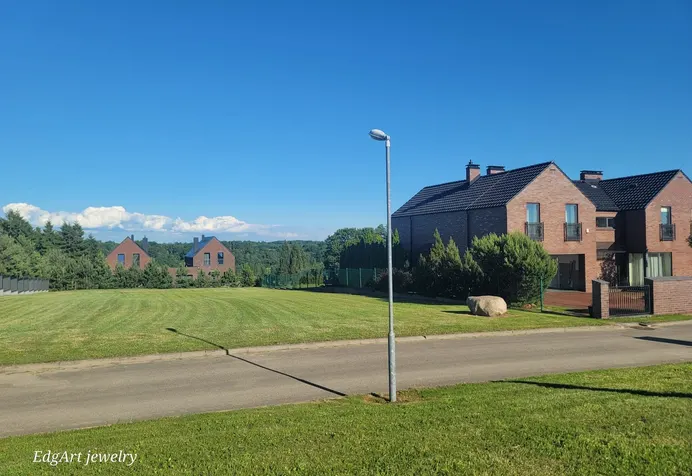
Stančiai
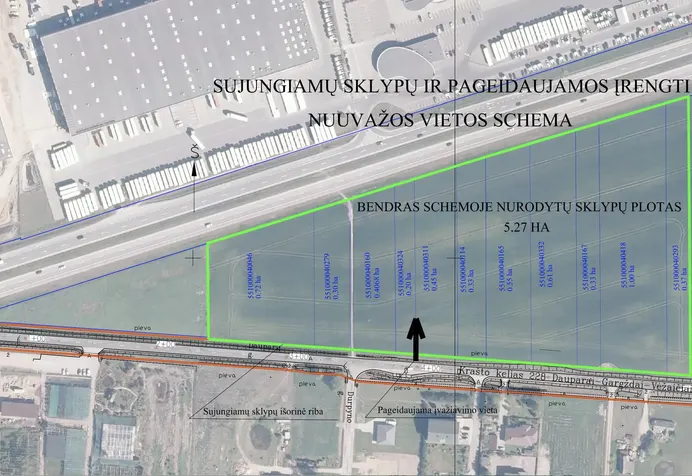
Gobergiškė
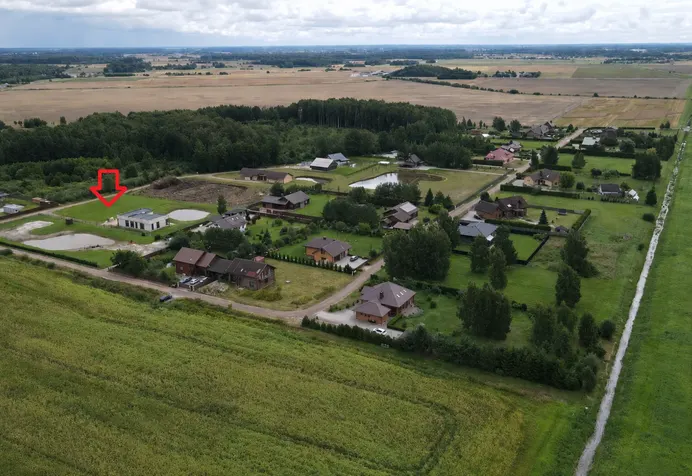
Alksniai
Gargždai
Kalveliai
Rusliai
Vilnius
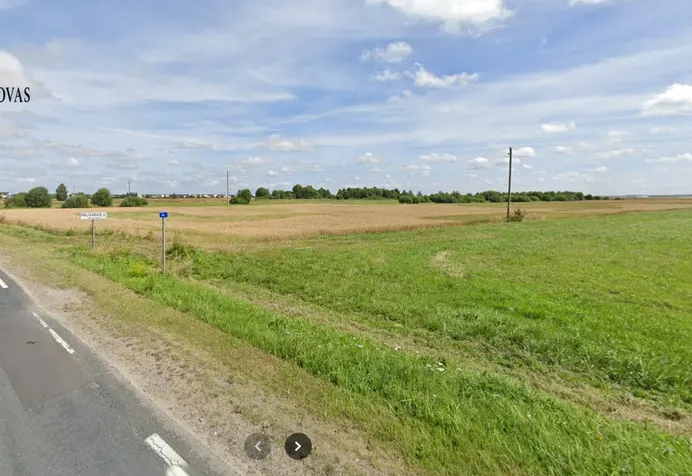
Leliai
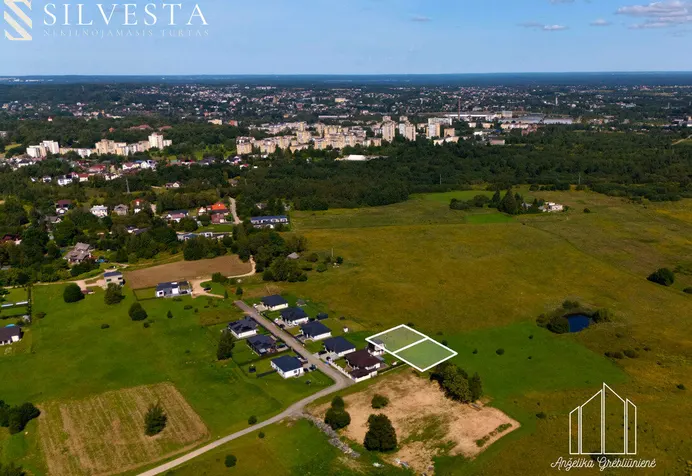
Vilnius, Naujoji Vilnia
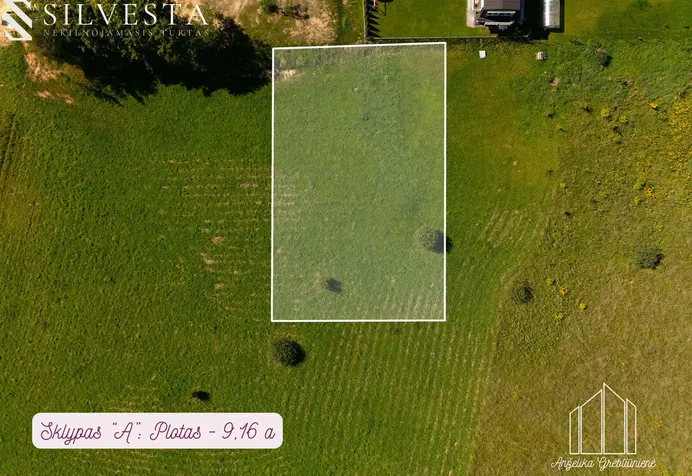
Vilnius, Naujoji Vilnia
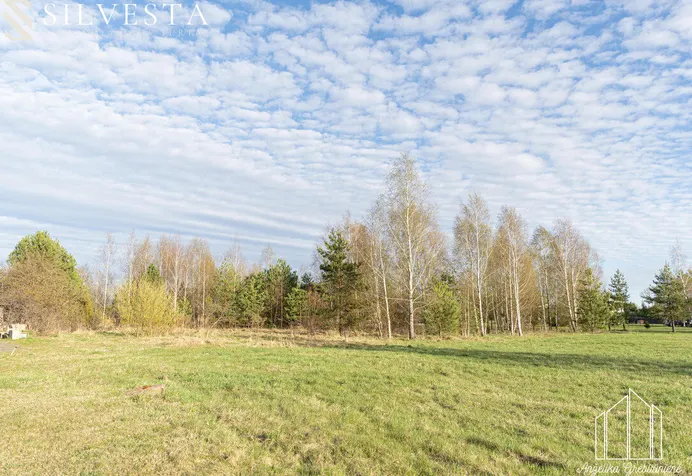
Dobromislė
Land is listed throughout Lithuania, in cities and rural areas. For plots within city limits, browse land in Vilnius, Šiauliai or coastal Palanga. If you do not want to build, compare the offers with houses for sale.
A plot is transferred under a notarised sale and purchase agreement, and ownership is registered with the Centre of Registers.